Cookie Regular Embroidery Font Review
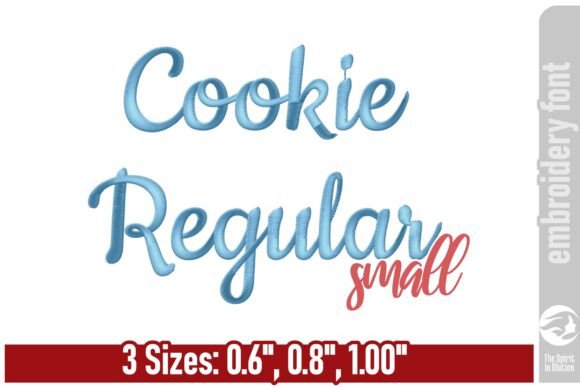
As a designer who’s worked with countless embroidery files, I always start by evaluating a new font based on its visual personality and practicality. Cookie Regular Embroidery Font immediately caught my attention for its clean, flowing script that feels both modern and elegant. It’s the kind of design that could elevate a simple tote bag into something special or add a touch of sophistication to a baby onesie. But how does it hold up in real-world use? Let’s break it down.
The First Impression: A Script That Speaks Elegance
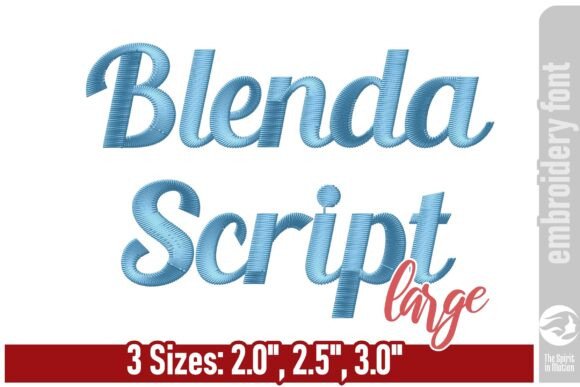
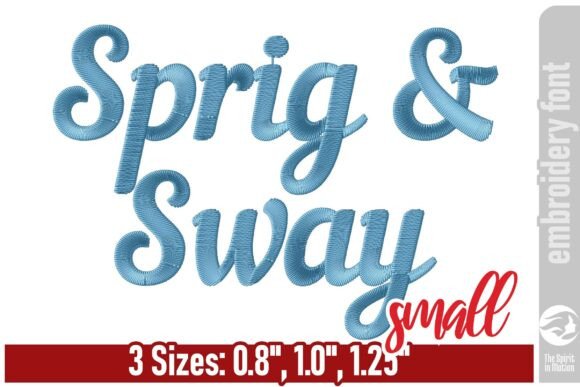
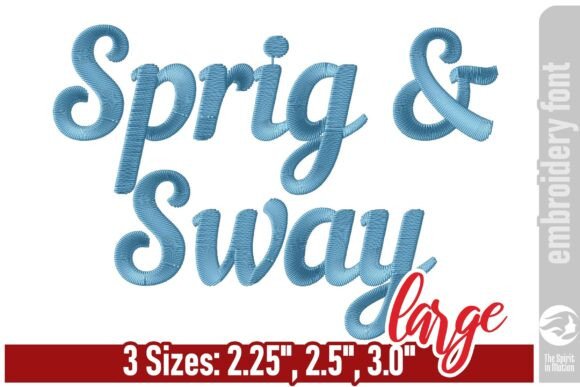
From the moment I opened the file, Cookie Regular Embroidery Font felt like a breath of fresh air. The curves are smooth, the spacing is balanced, and the overall look is refined. It doesn’t scream “over-the-top” but instead whispers “classy.” This font would be perfect for projects that aim to feel personal yet polished—think custom apparel, embroidered patches, or home décor items like pillow covers or tea towels.
The font’s structure makes it ideal for machine embroidery designs that require a soft, flowing aesthetic. It’s not overly ornate, which means it can work well in a variety of settings without feeling out of place. Whether you're creating a personalized gift or a small shop product, this font has the potential to stand out without overwhelming the design.
Real-World Use: Where Does It Shine?
I tested Cookie Regular Embroidery Font on several projects to see how it performed. On a custom tote bag design, it looked great—especially when paired with a light-colored thread on a white canvas. The stitch density was consistent, and the flowing script didn’t get lost in the fabric texture. For a sweatshirt embroidery project, it added a subtle touch of style that complemented the garment without clashing.
On baby clothes, the font’s gentle curves made it feel approachable and safe. It worked well for name tags or monogramming, especially when using a soft thread color like pastel blue or pink. For holiday embroidery, the font’s elegance made it suitable for festive items like aprons or kitchen towels, where a more casual font might not fit the theme.
When used as an applique design, the font maintained its shape and clarity, making it easy to sew onto different materials. It also worked well in fill stitches, though I noticed that the detail level was best suited for medium to large hoop sizes. Smaller hoops might struggle to capture the full flow of the script.
Where to Be Cautious: Limitations and Considerations
While Cookie Regular Embroidery Font is versatile, there are situations where it may not perform as well. On thin or stretchy fabrics, the font’s delicate lines could become distorted if not stabilized properly. I recommend using a good stabilizer and testing the design on scrap fabric before committing to a final project.
For dark fabric backgrounds, the font may need a contrasting thread color to stand out. Light-colored threads might fade into the background, making the design less visible. Similarly, on textured fabrics, the fine details of the script could get lost, so it’s best to avoid using it on items like denim or burlap unless the design is simplified.
When working with curved surfaces like caps or hats, the font’s flow could be affected by the stitching angle. It’s important to test the design on a curved surface before mass production. For detailed corners or tiny lettering, the font may require some adjustments to ensure clarity and consistency.
Impact on Visual Appeal and Customer Perception
One of the key factors in any embroidery project is how it looks once stitched. Cookie Regular Embroidery Font adds a level of sophistication that can enhance the visual appeal of a handmade product or commercial item. It gives a sense of professionalism that customers often associate with quality craftsmanship.
For small business owners or Etsy sellers, this font can help create a cohesive brand identity. When used consistently across products, it can make a collection feel more unified and intentional. It also plays a role in customer trust—when a design looks polished, buyers are more likely to perceive the product as high-quality.
As a personalized gift, the font’s elegance can make a meaningful difference. Whether it’s a baby item, a wedding accessory, or a holiday present, the right font can turn a simple item into something memorable. Cookie Regular Embroidery Font has the potential to do just that.
Practical Designer Notes: Tips for Success
Before using Cookie Regular Embroidery Font in a project, I always recommend testing it on scrap fabric. This helps identify any issues with stitch density, thread contrast, or fabric compatibility. It’s also wise to review the file for any potential problems, such as overlapping stitches or inconsistent spacing.
When working with a digital embroidery file, check the hoop size requirements. If the design is too large for your machine, consider resizing or splitting the design. Also, make sure the file is compatible with your embroidery software and machine model.
For commercial projects, confirm the licensing terms before selling finished items or digital products. Some fonts have restrictions on resale or modification, so it’s important to understand what you’re allowed to do with the design.
Finally, don’t forget about mockups. Using printable mockups or digital previews can help you visualize how the font will look on different items. This step can save time and prevent costly mistakes later on.
Final Thoughts: A Font Worth Adding to Your Collection
Cookie Regular Embroidery Font is a solid choice for designers looking to add a touch of class to their projects. Its flowing script is both stylish and functional, making it suitable for a wide range of applications. While it has some limitations in certain scenarios, with proper planning and testing, it can deliver excellent results.
Whether you’re creating custom apparel, personalized gifts, or small shop merchandise, this font has the potential to elevate your work. As long as you’re mindful of its strengths and limitations, it can be a valuable addition to your embroidery design toolkit.