Happily Ever After Lettering
As an experienced embroidery designer, I often look for versatile and visually appealing machine embroidery designs that can elevate small business merch, branded patches, and custom apparel. Happily Ever After Lettering from Esteem Lettering Arabesque Border offers a unique blend of elegance and charm that can serve multiple purposes in the world of embroidery. This design is ideal for businesses looking to add a touch of sophistication to their product lines, whether it's for wedding-themed items or general branding.
First Impressions: A Design That Speaks Volumes
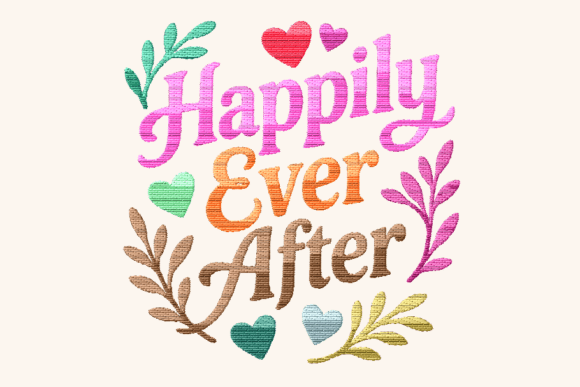
Upon first glance, Happily Ever After Lettering exudes a sense of refinement and warmth. The lettering has a classic, almost vintage feel, with soft curves and decorative elements that suggest a handcrafted quality. It feels both professional and friendly, making it suitable for a wide range of applications—from boutique merchandise to customer gifts. This design doesn’t scream; it whispers, which can be incredibly effective when you want to project a sense of timeless beauty without overwhelming the viewer.
Real Business Use: Versatility in Action
Happily Ever After Lettering shines in several real-world scenarios. For instance, as an embroidered patch, it can be used on staff uniforms, aprons, or even caps to create a cohesive brand identity. Its elegant style pairs well with both casual and formal settings, making it adaptable for different types of businesses. In tote bag design, it adds a subtle yet memorable touch that can differentiate your products from competitors. Similarly, as a chest logo accent on work shirts or as a sleeve detail on custom apparel, it brings a level of visual consistency that reinforces brand recognition.
For small business merch, this design can be a game-changer. Whether it's a handmade shop, a local café, or a boutique, Happily Ever After Lettering offers a premium feel that can enhance the perceived value of your products. When used as a product packaging accent or a customer gift, it creates a lasting impression that aligns with the overall aesthetic of your brand.
Where to Be Cautious: Limitations and Considerations
While Happily Ever After Lettering is beautiful, it’s important to consider its limitations. At smaller patch sizes, the intricate details may not translate well, leading to a less defined finished product. On cap fronts or curved surfaces, the design might appear distorted if not properly adjusted. Additionally, if the lettering is too small or the stitch density is too high, it could cause issues with fabric texture and durability.
When using this design on dark uniforms or items that require frequent washing, it’s crucial to test thread color contrast and ensure that the embroidery holds up over time. Detailed outlines and textured fabrics can also affect how the design appears, so it’s best to do a trial run before committing to large-scale production.
Impact on Brand Identity and Customer Trust
Brand identity is everything in today’s competitive market, and Happily Ever After Lettering can play a significant role in shaping that identity. Its elegant and consistent appearance helps build trust with customers, who associate quality and professionalism with well-designed embroidered products. When used across various mediums—like apron embroidery, cap embroidery, or tote bag design—it ensures visual consistency, which is key to creating a strong brand presence.
This design also enhances the handmade aspect of your products. Even if you’re not producing everything by hand, the look of the embroidery can evoke a sense of craftsmanship that resonates with buyers. It can also improve buyer engagement, especially when used in Etsy branding or as part of printable mockups for client approval.
Practical Designer Notes: Ensuring Success
As a designer, I always recommend starting with a few key steps before finalizing any project. First, test the design in black and white to see how it looks without color. Then, check if it works at a small patch size to ensure it remains legible and visually appealing. Review thread colors for contrast and inspect spacing to avoid overcrowding the design.
Confirm the hoop size required for the design and test it on real fabric to see how it performs. Using the proper stabilizer is essential, especially on delicate or stretchy materials. Creating a mockup for client approval can prevent costly mistakes and ensure everyone is on the same page. Compare it with other design assets to maintain a balanced look, and always confirm commercial licensing before using it for business purposes.
Conclusion: A Timeless Addition to Your Embroidery Collection
Happily Ever After Lettering is more than just a pretty design—it’s a valuable tool for small business owners, embroidery shops, and product designers looking to elevate their offerings. Its versatility, elegance, and adaptability make it a strong choice for a variety of applications, from branded patches to custom apparel. With careful consideration and proper execution, this design can become a staple in your digital embroidery file collection and a powerful asset in your business strategy.